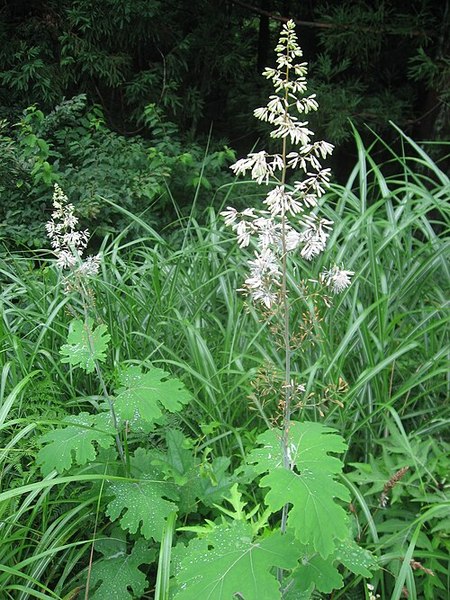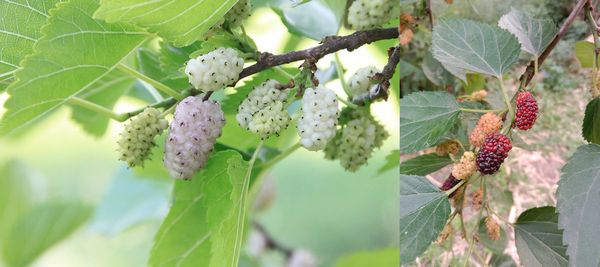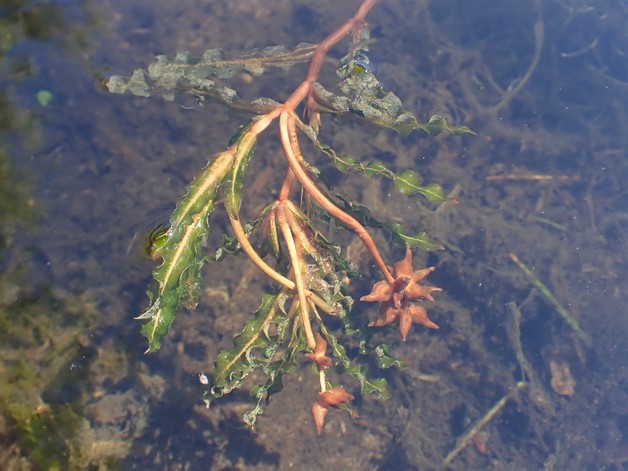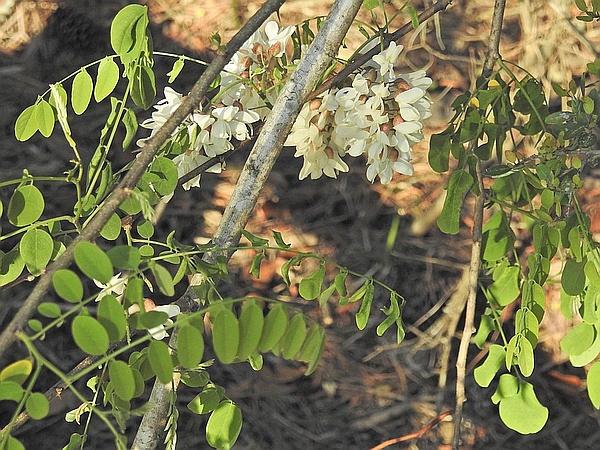

Invasive Species of New York Finger Lakes/CNY Region
About one-third of the plant species in New York State are non-native but only a small percentage of these are considered "invasives." Learning to recognize these aliens is an important first step in controlling them. Left alone, they can spread and eventually replace our native flora due to different advantages they may have. Some, like the honeysuckles (Lonicera spp.), begin leafing out earlier in the spring than our natives, thereby depriving the native species of the sunlight they need. Many find that the local environment lacks the animals and plants that kept them in check in their native country. Several species produce toxins in the soil that kill the growth of neighboring plants. Since each has its own exploitation strategy, it is good to understand its success mechanism, especially when it comes to removing them.
As is the case with many problematic situations, prevention is unarguably the first line of defense. In many cases we introduce these aliens unknowingly as hidden seeds on our food or wood products. A number of our invasive plants have characteristics that encourage their cultivation: many are attractive, grow fast, and need little attention. We even spread them unintentionally on our hiking boots and car tires, as many invasives start their journeys along roadsides.
Prevention makes even more sense when one considers the options available for removing the invaders. Simply pulling up rhizomatous plants will often help to propagate them. Applying herbicides is often ineffective, too costly, or dangerous to the environment. Mowing is effective in many cases but it must be repeated several times per season and then repeated for several years before the energy is depleted in the root system. The best advice here is to understand why the particular invader is so successful and minimize or eliminate that advantage.
The following is a list of the common invasive plants in the Finger Lakes & Central NY area with links to sites where you can find more information. (For more compact, printable list click here.) The list was compiled from the Cornell Botanic Gardens Invasive Species Policy list, the NY State invasives list, and the Finger Lakes PRISM list. Those lists were edited by Cornell botanist Robert Wesley to reflect only species known to be both found in the Finger Lakes region and problematic here. We give only two levels: invasive and potentially of concern - a "watch list". Please contact us if you have any questions on this subject. (updated 3/2026)
For a full list of prohibited and regulated plants in New York State, see plants at this link. For the full list of FL PRISM invasives, click here and check filters for FL region and both terrestrial & aquatic plants.
Invasive Plants
 hedge maple Invasive in Finger Lakes Photo by Zelimir Borzan, University of Zagreb, Bugwood.org |
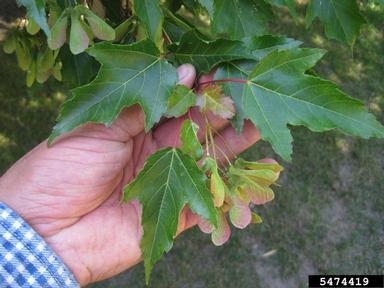 Asian maple Invasive in Finger Lakes Photo by Rob Routledge, Sault College, Bugwood.org |
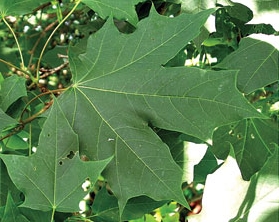 Norway maple Invasive in Finger Lakes Photo by Jan Samanek, State Phytosanitary Administration via Invasive.org |
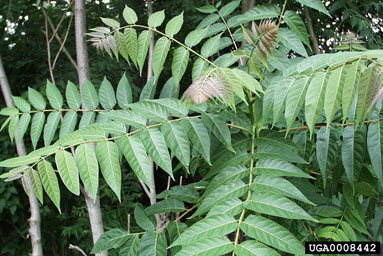 ailanthus Invasive in Finger Lakes Photo by Paul Wray, Iowa State Univ., Bugwood.org |
||
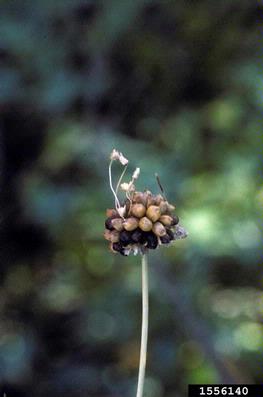 wild onion Invasive in Finger Lakes Photo by Ohio State Weed Lab, Ohio St. Univ., Bugwood.org |
||
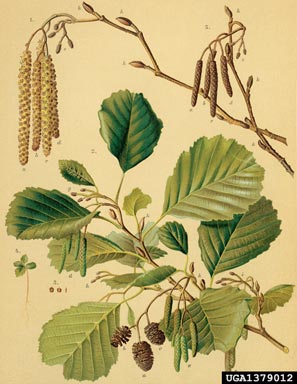 European black alder Invasive in Finger Lakes Photo by Zelimir Borzan, University of Zagreb, Bugwood.org |
||
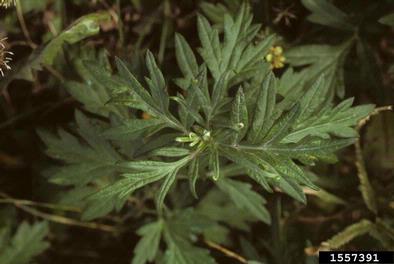 mugwort Invasive in Finger Lakes Photo by Ohio State Weed Lab, OH State Univ., Bugwood.org |
||
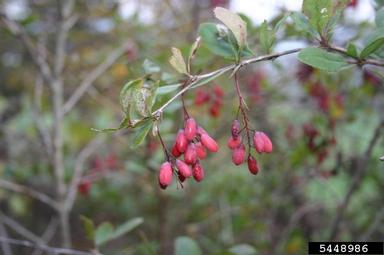 European barberry Invasive in Finger Lakes Photo by Leslie J. Mehrhoff, Univ. Connecticut, Bugwood.org |
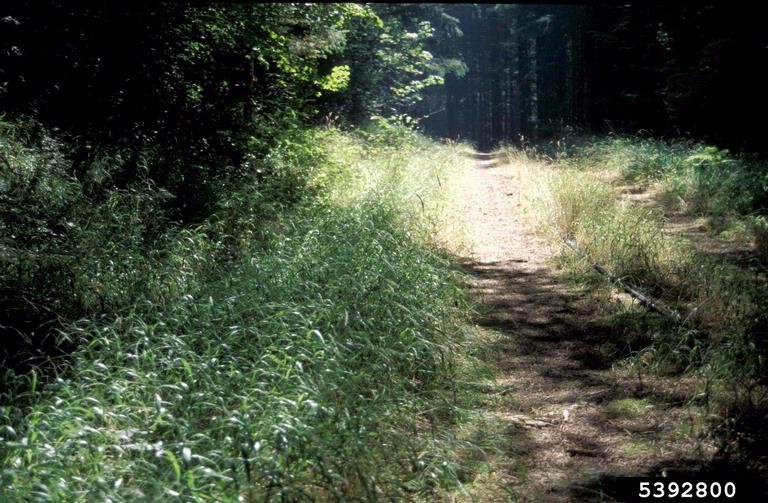 slender false brome Invasive in Finger Lakes Photo by The Nature Conservancy Archive, Bugwood.org |
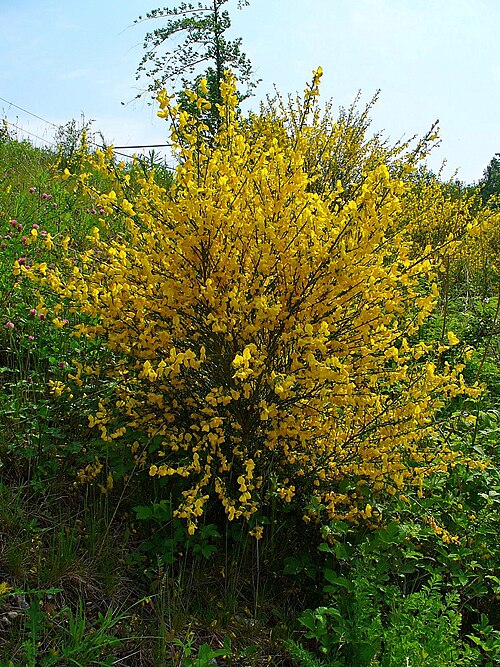
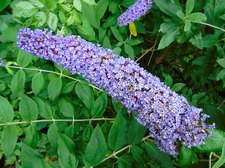 orange-eyed butterfly bush Invasive in Finger Lakes Photo by Fernando Losada Rodríguez via Wikimedia |
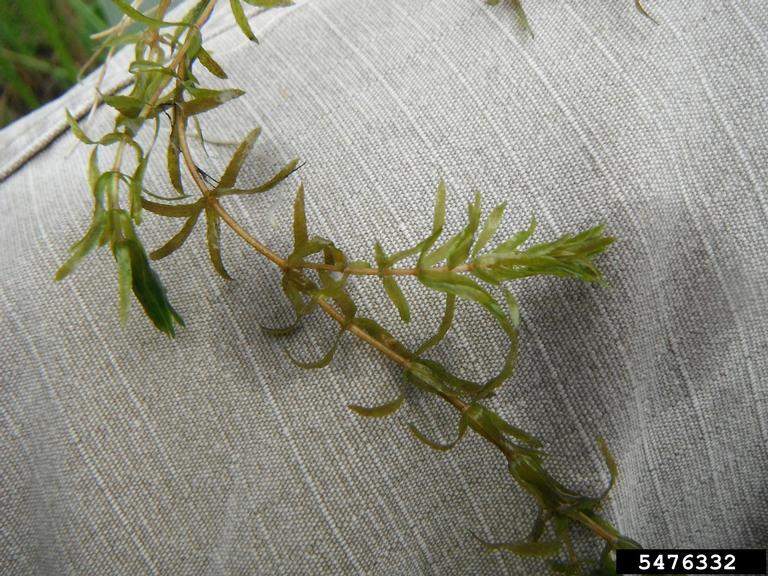
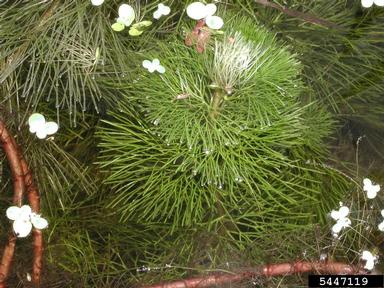 fanwort Watch list, potential problem Photo by Leslie J. Mehrhoff, Univ of Conn., Bugwood.org |
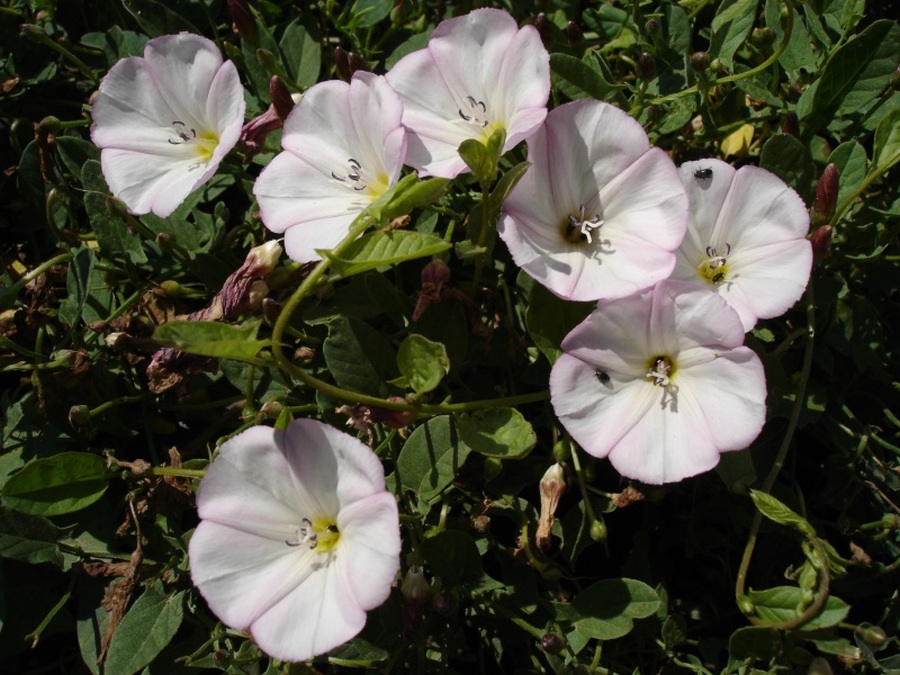
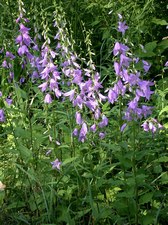 creeping bellflower Invasive in Finger Lakes Photo by Laval University via Wikimedia CC |
|
 hairy cress Invasive in Finger Lakes Photo by Leslie J. Mehrhoff, Univ of Conn., Bugwood.org |
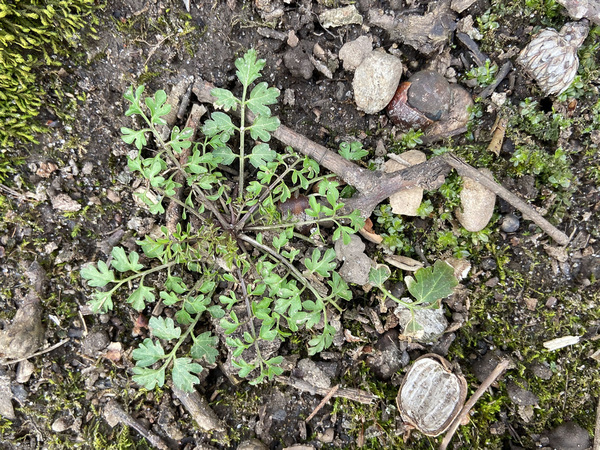 narrowleaf bittercress Watch list, potential problem Photo by Steven Daniel (taken in Monroe Co. NY) |
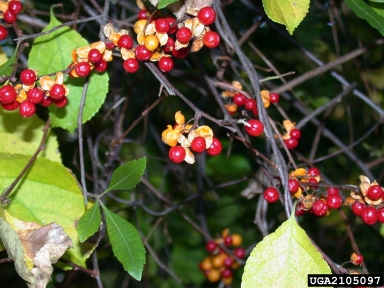 Asian bittersweet Invasive in Finger Lakes Photo by James R. Allison, GA Dept of Nat'l Res., Bugwood.org |
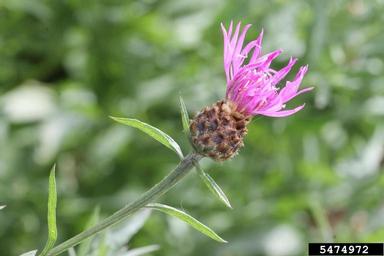 brown knapweed Invasive in Finger Lakes Photo by Rob Routledge, Sault College, Bugwood.org |
 spotted knapweed Invasive in Finger Lakes Photo by Matt Lavin (Flickr, Wikimedia) |
|
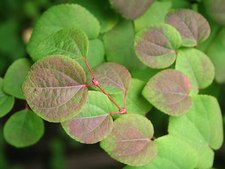 Katsura tree Watch list, potential problem Photo by Jean-Pol Grandmont via Wikimedia |
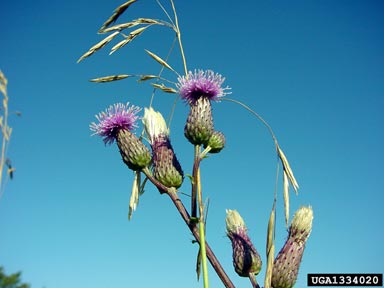 creeping thistle Invasive in Finger Lakes Photo by C Evans, IL Wildlife Action Plan, Bugwood.org |
|
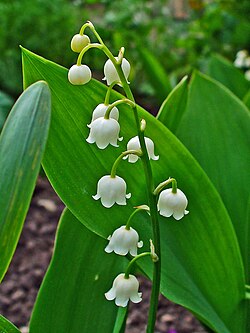 lily-of-the-valley Invasive in Finger Lakes Photo by H. Zell (Llez) via WIkimedia CC |
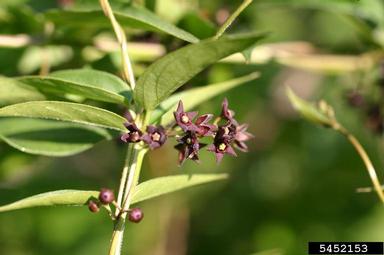 black swallowwort Invasive in Finger Lakes Photo by Leslie J. Mehrhoff, Univ. Connecticut, Bugwood.org |
|
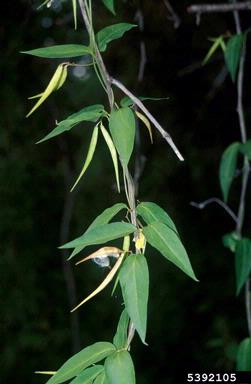 pale swallowwort Invasive in Finger Lakes Photo by JM Randall, The Nature Conservancy, Bugwood.org |
||
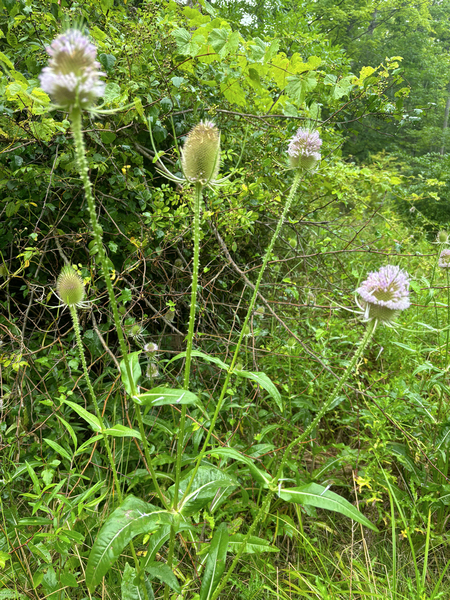 common teasel Invasive in Finger Lakes Photo by Steven Daniel (taken in Monroe Co. NY) |
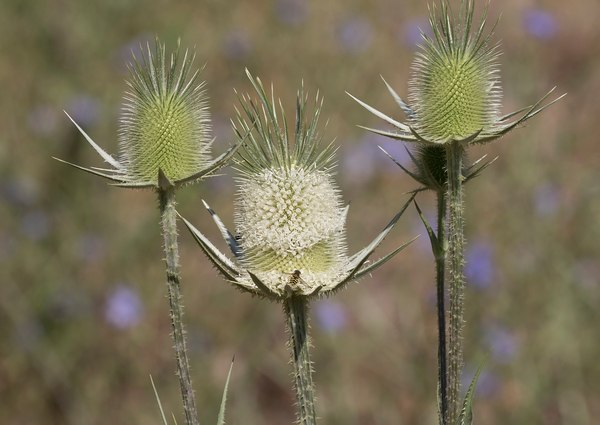 cutleaf teasel Invasive in Finger Lakes Photo by Zeynel Cebeci via Wiki CC, taken in Turkey |
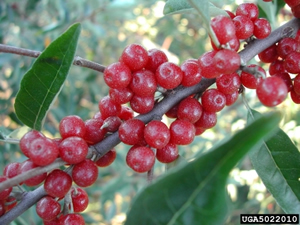 autumn olive Invasive in Finger Lakes Photo by PA DNR - Forestry Archive, Bugwood.org |
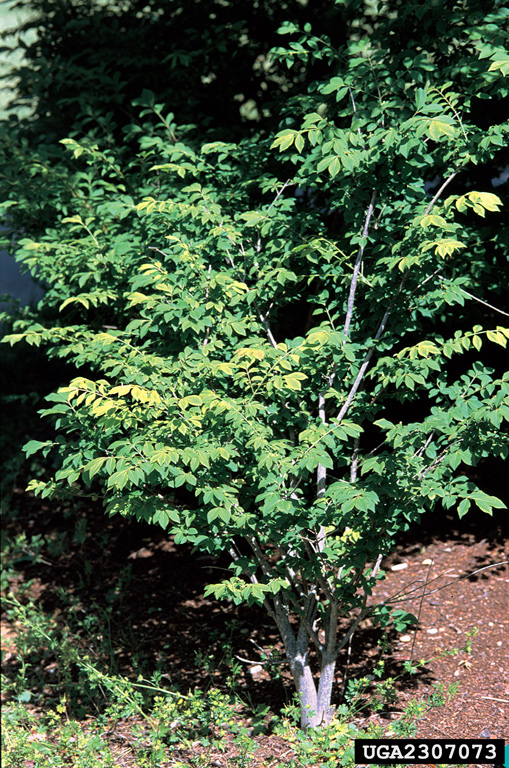 burning bush Invasive in Finger Lakes Photo by James H. Miller, USDA Forest Service, Bugwood.org |
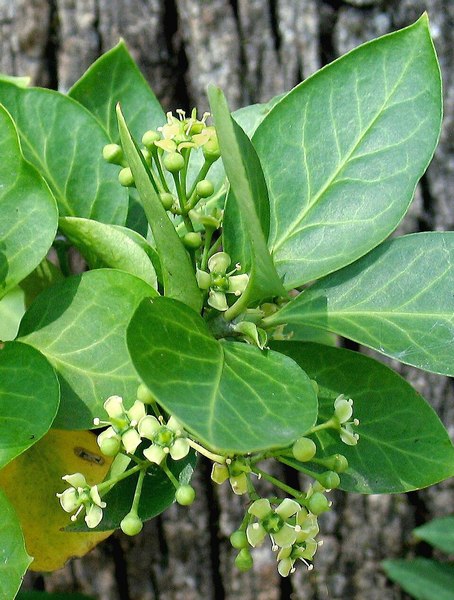 winter creeper Invasive in Finger Lakes Photo by James H. Miller, USDA Forest Service, Bugwood.org |
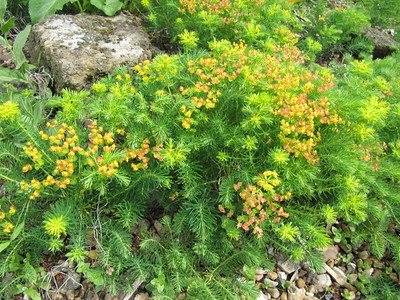 cypress spurge Invasive in Finger Lakes Photo by Leonora (Ellie) Enking via Flickr CC |
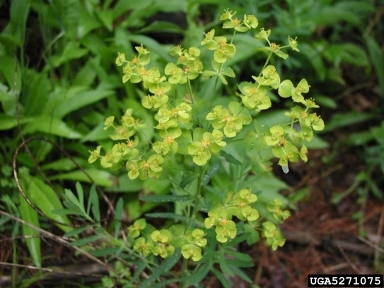 leafy spurge Invasive in Finger Lakes Photo by Leslie J. Mehrhoff, University of Conn., Bugwood.org |
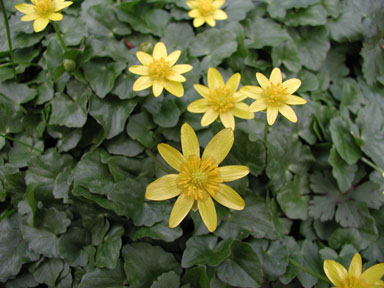 lesser celandine Invasive in Finger Lakes Photo by Leslie J. Mehrhoff, University of Conn., Bugwood.org |
|
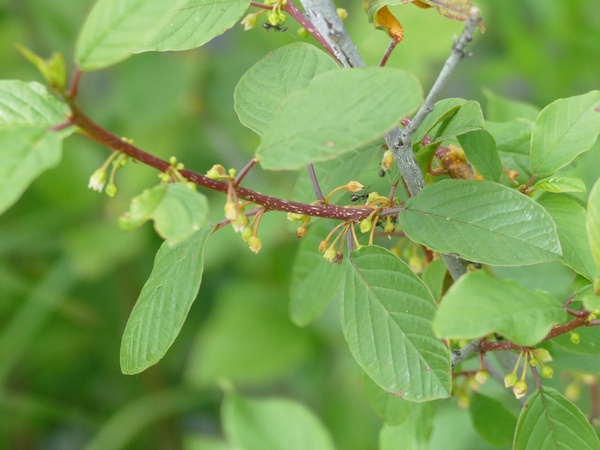 glossy buckthorn Invasive in Finger Lakes Photo by Steven Daniel (taken in Livingston Co. NY) |
 white bedstraw Invasive in Finger Lakes Photo by Ohio State Weed Lab Archive, OSU, Bugwood.org |
 English ivy Invasive in Finger Lakes Photo by Chuck Bargeron, University of Georgia, Bugwood.org |
 dame's rocket Invasive in Finger Lakes Photo by David Cappaert, MSU, Bugwood.org |
||
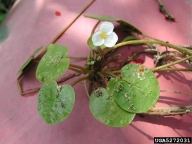 frog-bit Invasive in Finger Lakes Photo by Leslie J. Mehrhoff, UConn., Bugwood.org |
||
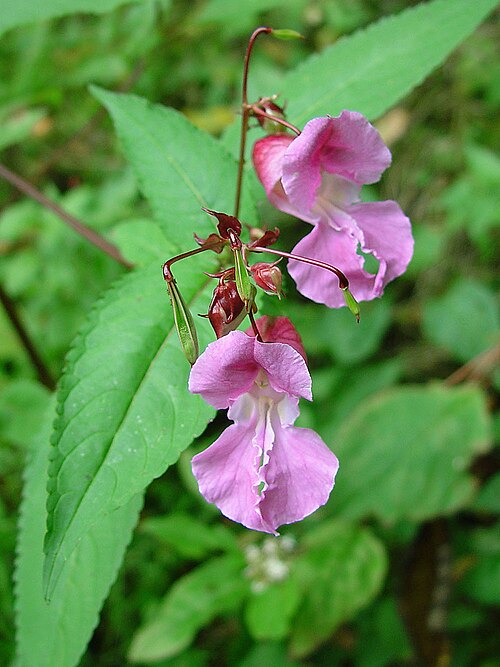 Himalayan balsam Invasive in Finger Lakes Photo by ArtMechanic via Wikimedia CC |
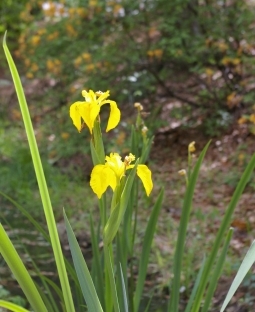 yellow flag iris Invasive in Finger Lakes Photo by Nancy Loewenstein (Auburn University, Bugwood.org) |
|
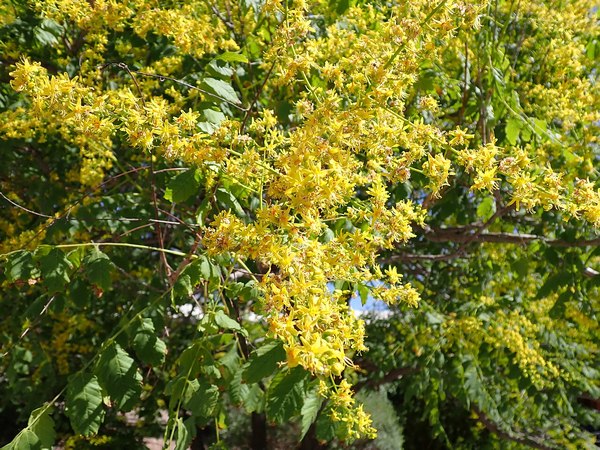 golden rain tree Watch list, potential problem Photo by Matt Lavin via Wikimedia CC |
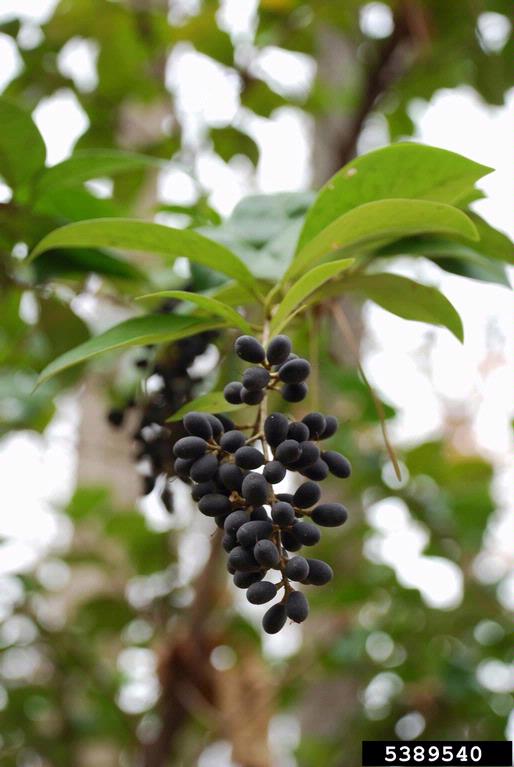 Amur River privet Invasive in Finger Lakes Photo by Nancy Loewenstein, Auburn University, Bugwood.org |
|
 California privet Invasive in Finger Lakes Photo by Leslie J. Mehrhoff, UConn, Bugwood.org |
 common privet Invasive in Finger Lakes Photo by Leslie J. Mehrhoff, UConn, Bugwood.org |
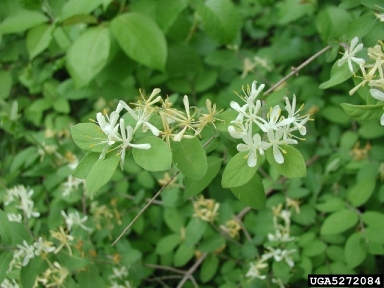
 Japanese honeysuckle Invasive in Finger Lakes Photo by Chuck Bargeron, Univ. of GA, Bugwood.org |
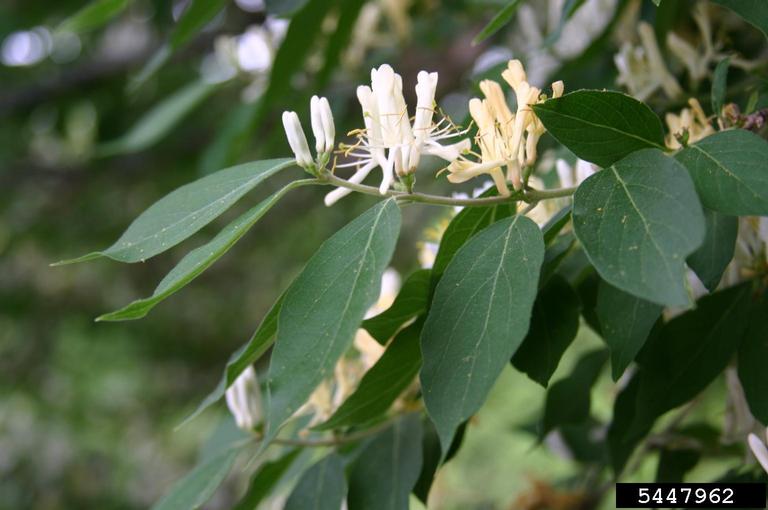 Maack's honeysuckle Invasive in Finger Lakes Photo by Leslie J. Mehrhoff, University of Conn., Bugwood.org |
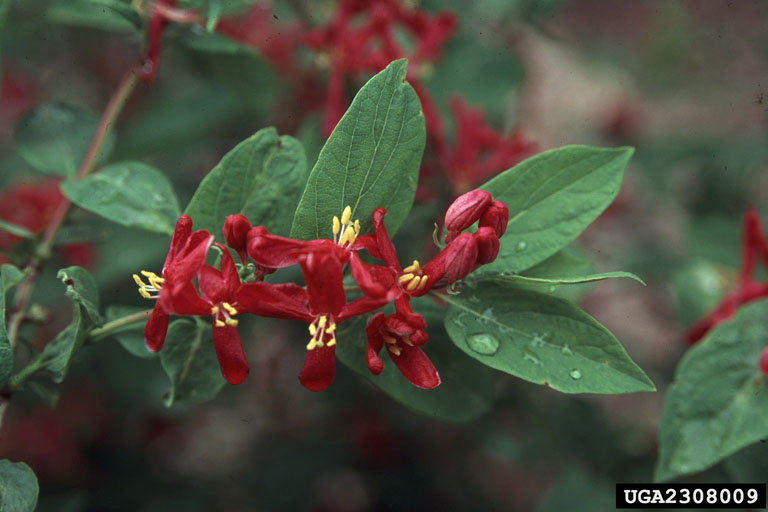 Tartarian honeysuckle Invasive in Finger Lakes Photo by Patrick Breen, Oregon State University, Bugwood.org |
|
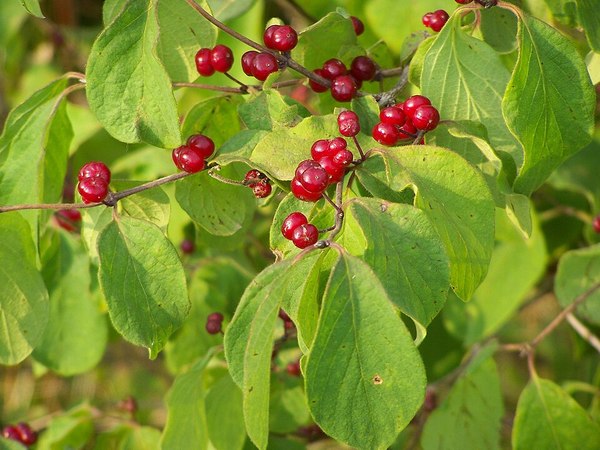 European fly honeysuckle Invasive in Finger Lakes Photo by Florian Mortgat Eiku via Wikimedia CC |
||
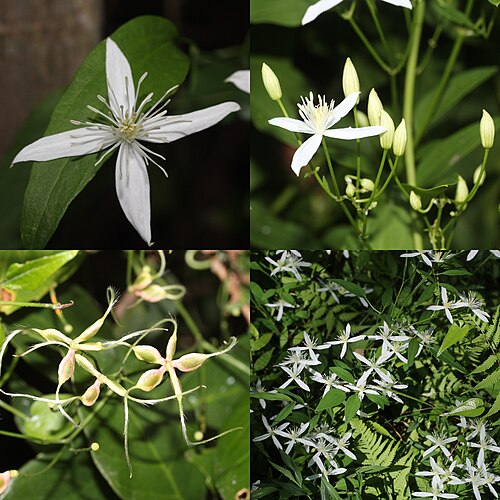
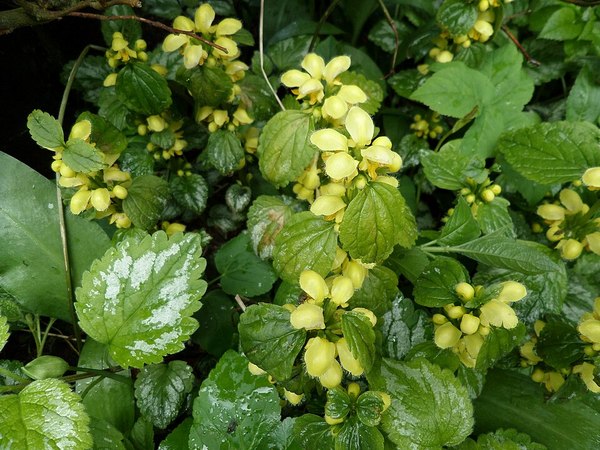
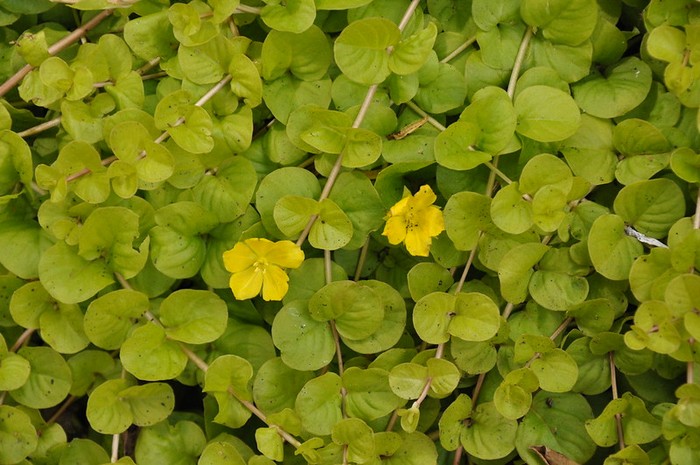
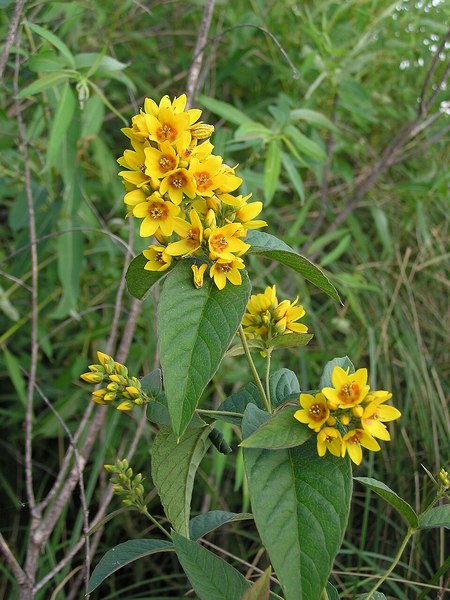 garden loosestrife Invasive in Finger Lakes Photo by Le.Loup.Gris via Wikimedia CC |
||
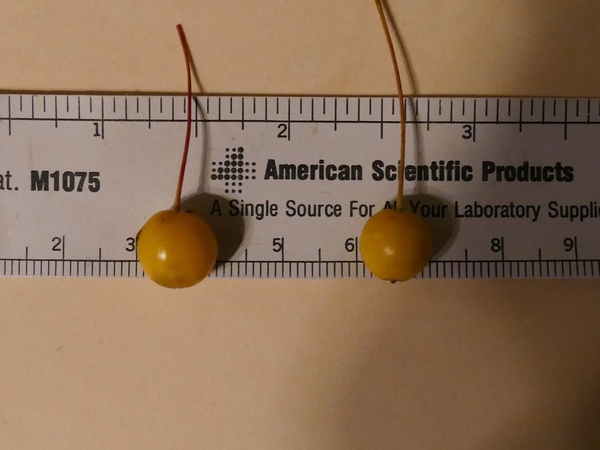 Siberian crabapple Invasive in Finger Lakes Photo by Steven Daniel (taken in Monroe Co. NY) |
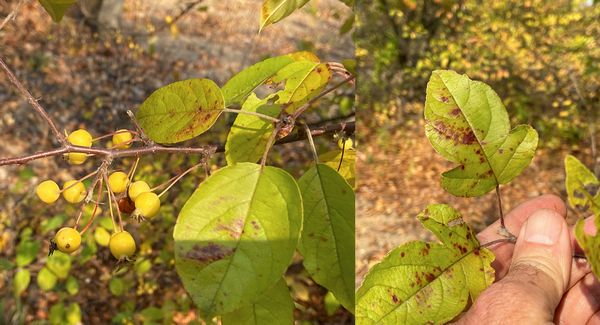 Toringo crabapple Invasive in Finger Lakes Photo by steven daniel (taken in Clinton Co NY) |
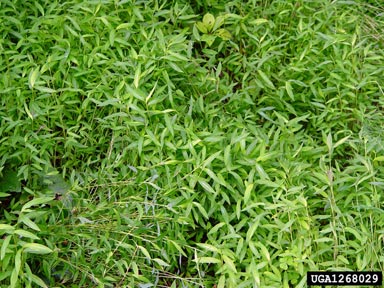 stilt-grass Invasive in Finger Lakes Photo by Chris Evans, Illinois Wildlife Action Plan, Bugwood.org |
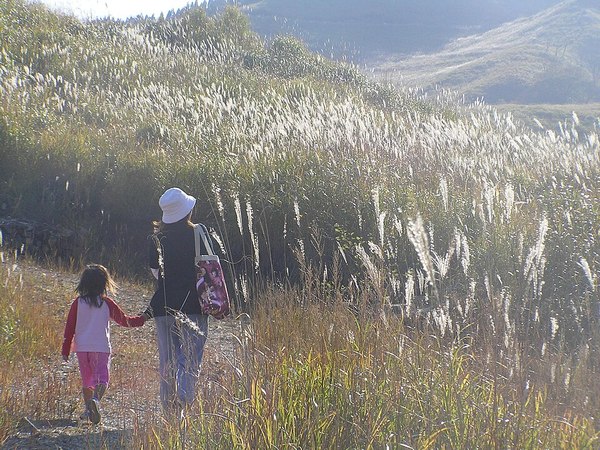 silver-grass Invasive in Finger Lakes Photo by Matsuoka Akiyoshi via Wikimedia CC |
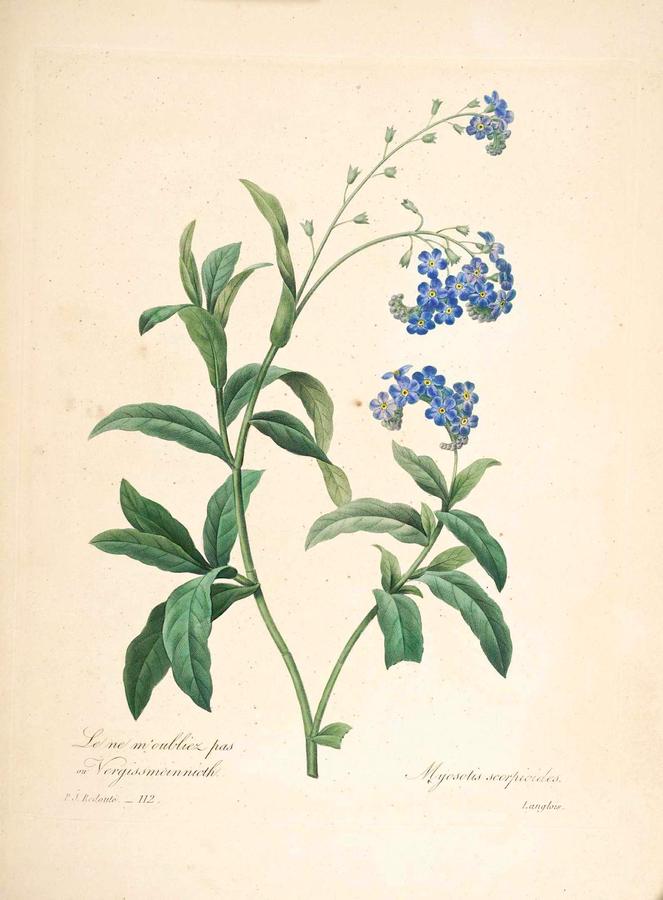 water forget-me-not Invasive in Finger Lakes Photo by PJ Redoute via Swallowtail Seeds/Flickr |
|
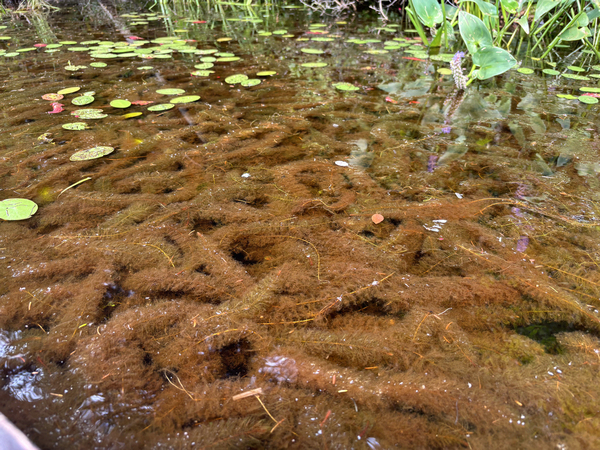 variable leaved water milfoil Invasive status uncertain in Finger Lakes Photo by Steven Daniel (taken in St. Lawrence Co. NY) |
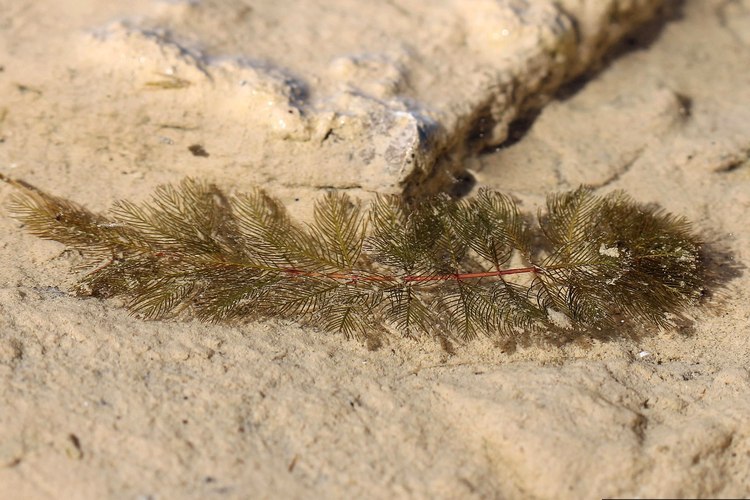 Eurasian water-milfoil Invasive in Finger Lakes Photo by Rob Routledge, Sault College, Bugwood.org (taken MI) |
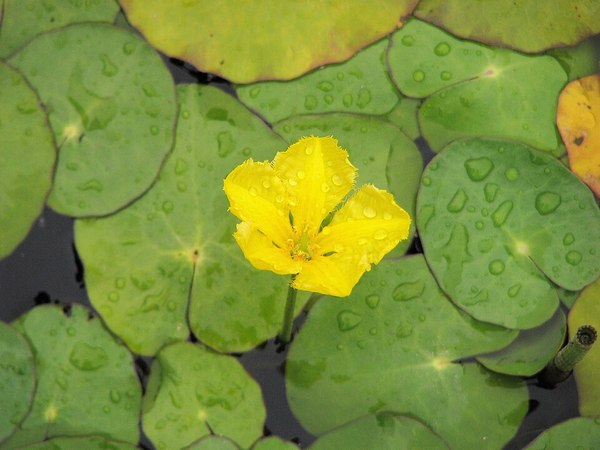 yellow floating heart Invasive in Finger Lakes Photo by Agnieszka Kwiecień (license: CC-BY 3.0) |
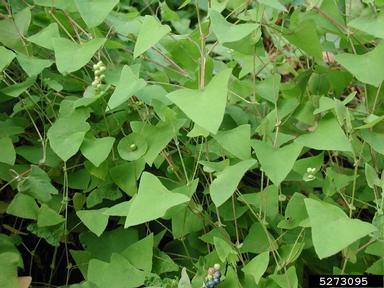 mile-a-minute vine Invasive in Finger Lakes Photo by Leslie J. Mehrhoff, University of Conn., Bugwood.org |
||
 reed canary grass Invasive in Finger Lakes Photo by M. Costea and K. Stevens, source: CUPIC |
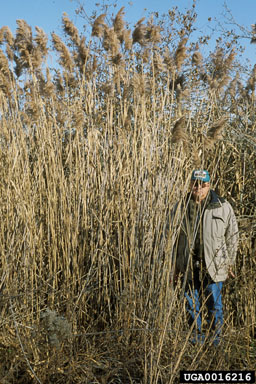 phragmites Invasive in Finger Lakes Photo by James H. Miller |
|
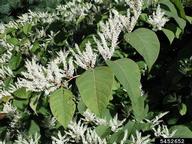 Japanese knotweed Invasive in Finger Lakes Photo by Leslie J. Mehrhoff, University of Conn., Bugwood.org |
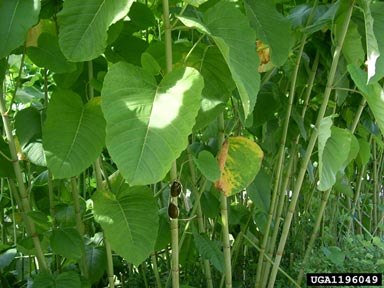 Sakhalin knotweed Invasive in Finger Lakes Photo by Tom Heutte, USDA Forest Service, Bugwood.org |
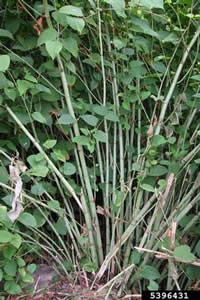 giant knotweed Invasive in Finger Lakes Photo by Robert Vidéki, Doronicum Kft., Bugwood.org |
 multiflora rose Invasive in Finger Lakes Photo by Rob Routledge, Sault College, Bugwood.org |
||
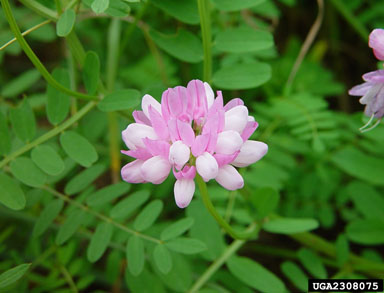 crownvetch Invasive in Finger Lakes Photo by D Tenaglia, Missouriplants, Bugwood.org |
||
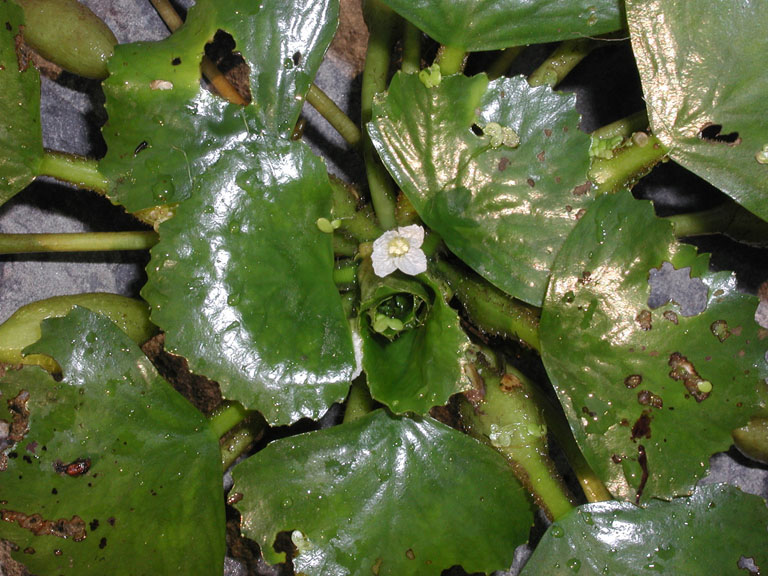 water-chestnut Invasive in Finger Lakes Photo by Leslie J. Mehrhoff, University of Conn., Bugwood.org |
||
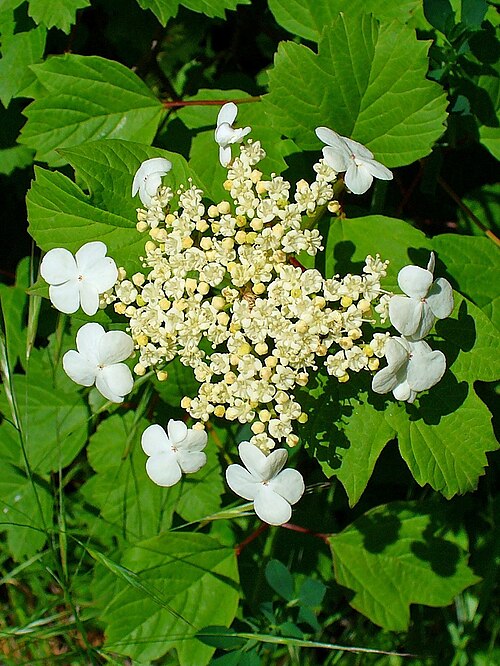 European cranberry viburnum Invasive in Finger Lakes Photo by H. Zell (Llez) via WIkimedia CC3 |
||